October 22nd, 2026
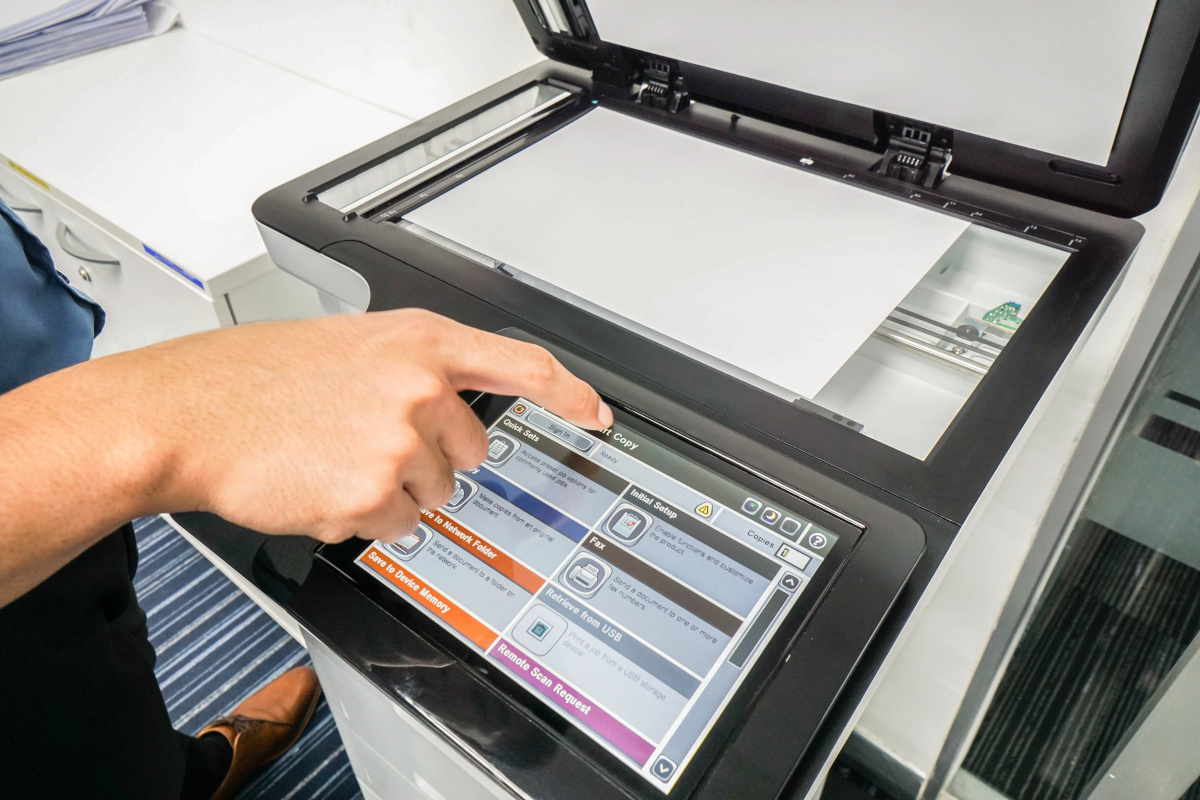
Your multifunction printer is the fastest place to capture a document. How print and copy solutions turn each scan into a routed, searchable workflow.
Read Full Story »
Posted in: Managed Print Services
October 15th, 2026
Most mid-market digital transformation is not a megaproject. It is a sequence of unglamorous fixes to paper, phones, print, and identity that nobody announces.
Read Full Story »
Posted in: Managed IT Services, Business Process Solutions
October 8th, 2026
HIPAA technical safeguards explained for healthcare IT: access control, encryption, audit logging, and the print and scan devices that touch patient data.
Read Full Story »
Posted in: Managed IT Services
October 1st, 2026
From Edison wax cylinders in 1914 to managed IT services in 2026: 112 years of business technology, and why simplification still wins for Indiana companies.
Read Full Story »
Posted in: Managed IT Services
September 22nd, 2026
A multi-cloud strategy involves using cloud services from multiple public cloud providers simultaneously. Contact us today to learn more about your options.
Read Full Story »
Posted in: Cloud Solutions, Cybersecurity
September 17th, 2026
Van Ausdall & Farrar launches AI Workflow Automation, helping Indianapolis businesses automate repetitive back-office work without writing code. Learn more.
Read Full Story »
Posted in: News & Press, Business Process Solutions, AI Consulting
September 15th, 2026
Artificial intelligence has moved beyond experimental technology to become a fundamental component of competitive business operations. Contact us to learn more.
Read Full Story »
Posted in: AI Consulting, Cybersecurity
September 8th, 2026
Business leaders today face a counterintuitive challenge: despite collecting more data than ever before, many organizations struggle to make better decisions.
Read Full Story »
Posted in: Cybersecurity, AI Consulting
September 1st, 2026
Process automation has emerged as the solution that bridges this gap, transforming how organizations handle repetitive tasks and complex workflows. Learn more.
Read Full Story »
Posted in: Business Process Solutions, AI Consulting
August 27th, 2026
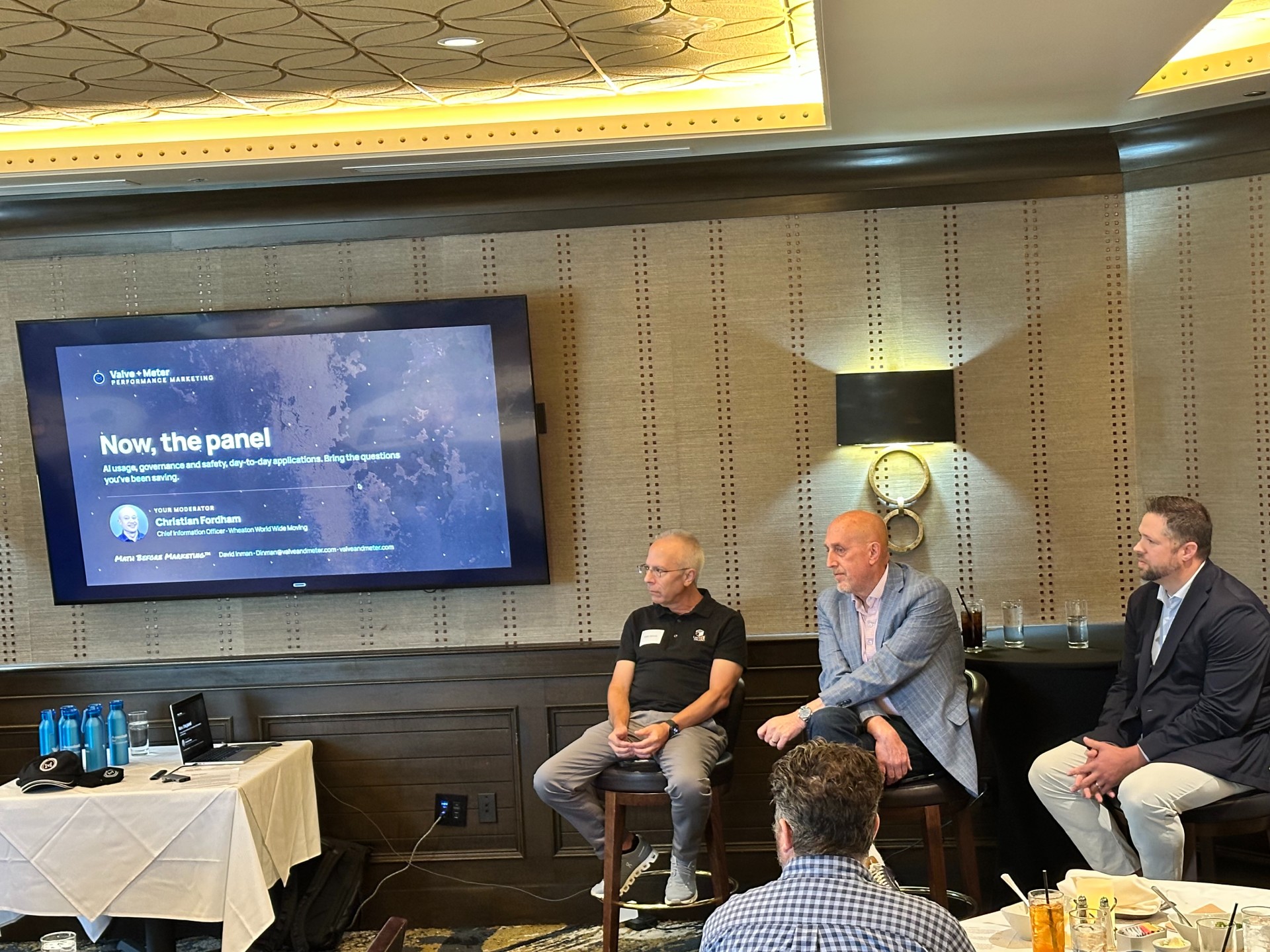
AI readiness starts with governance, not tools. What Steven Sigmon shared on an Indianapolis panel about acceptable use, data governance, and shadow AI risk.
Read Full Story »
Posted in: AI Consulting, News & Press
August 22nd, 2026
New Technology Helps Businesses Answer Every Call, Improve Customer Service, and Free Employees for Higher-Value Work... Talk to our specialists for guidance.
Read Full Story »
Posted in: News & Press, AI Consulting
August 22nd, 2026
Business communication has undergone a dramatic transformation over the past decade. Talk to our specialists today to find the right solution for your business.
Read Full Story »
Posted in: Business Phone Systems, Cybersecurity
August 15th, 2026
Modern managed print services have evolved far beyond simply supplying toner and fixing paper jams. Talk to our specialists about the right solution for you.
Read Full Story »
Posted in: Managed Print Services, Cybersecurity
August 8th, 2026
Cybersecurity threats have evolved from simple nuisances into sophisticated attacks that can cripple businesses overnight. Talk to our specialists for guidance.
Read Full Story »
Posted in: Cybersecurity, AI Consulting
August 1st, 2026
This approach means evaluating cloud options first when considering new applications, services, or IT infrastructure investments. Reach out to our team today.
Read Full Story »
Posted in: Cloud Solutions, Cybersecurity
July 23rd, 2026
Van Ausdall & Farrar, Inc. now provides an all-encompassing AI solution that combines all of the popular tools with the highest level of security. Learn more.
Read Full Story »
Posted in: News & Press, Cybersecurity
July 22nd, 2026
The reality is that manual processes consume valuable time and resources while introducing opportunities for human error. Talk to our specialists for guidance.
Read Full Story »
Posted in: AI Consulting, Business Process Solutions
July 15th, 2026
Healthcare organizations face unprecedented challenges in managing technology infrastructure while maintaining focus on patient care. Contact us to learn more.
Read Full Story »
Posted in: Managed IT Services, Cybersecurity
July 10th, 2026
For years, organizations have relied on location-based alerts to catch hackers' suspicious logins. Reach out to our team today to learn more about your options.
Read Full Story »
Posted in: News & Press, Cybersecurity
July 8th, 2026
At the center of this evolution are two primary systems: Cloud VoIP (Voice over Internet Protocol) and PBX (Private Branch Exchange) systems. Get started today.
Read Full Story »
Posted in: Cloud Solutions, Cybersecurity
July 1st, 2026
Artificial intelligence has evolved from a futuristic concept to a practical business tool that organizations of all sizes can leverage. See how we can help.
Read Full Story »
Posted in: AI Consulting, Cybersecurity
June 22nd, 2026
The modern office print environment has transformed dramatically over the past decade. Reach out to our specialists today to learn more about your options.
Read Full Story »
Posted in: Managed Print Services, Cloud Solutions
June 15th, 2026
Business communication has transformed dramatically over the past decade. Where organizations once juggled separate systems for phone calls, video. Learn more.
Read Full Story »
Posted in: Business Phone Systems, Cloud Solutions
June 8th, 2026
Organizations across the Midwest face a critical decision: continue supporting aging legacy systems or embrace cloud-first operations. Contact us to learn more.
Read Full Story »
Posted in: Cloud Solutions, Cybersecurity
June 1st, 2026
Every business generates vast amounts of data daily-from customer information and financial records to operational metrics and employee files. Contact us today.
Read Full Story »
Posted in: Cybersecurity, AI Consulting
May 22nd, 2026
For over a century, business communication has undergone remarkable transformations. Talk to our specialists today to find the right solution for your business.
Read Full Story »
Posted in: Cloud Solutions, Cybersecurity
May 20th, 2026
Leading Managed Technology Services Provider Helps Local Companies Move From Outdated Servers With a Seamless... Talk to our team to learn more about pricing.
Read Full Story »
Posted in: News & Press, Cloud Solutions
May 15th, 2026
Artificial intelligence has moved beyond the realm of science fiction and into the everyday operations of businesses across industries. See how we can help.
Read Full Story »
Posted in: AI Consulting, Cybersecurity
May 8th, 2026
Cybersecurity has evolved from a technical consideration into a business imperative. Talk to our specialists today to find the right solution for your business.
Read Full Story »
Posted in: Cybersecurity, Managed IT Services
May 1st, 2026
Business leaders face mounting pressure to do more with less-deliver faster results, minimize errors, and control costs while maintaining high-quality output.
Read Full Story »
Posted in: Business Process Solutions, AI Consulting
April 22nd, 2026
Today's print and copy solutions go far beyond simply producing paper documents. Reach out to our team to learn more about the right solution for your business.
Read Full Story »
Posted in: Managed Print Services, AI Consulting
April 17th, 2026
This year's theme, "AI - Embrace, Capitalize, Dominate, Profit," reflects a pivotal moment for business innovation. Contact us to learn more about your options.
Read Full Story »
Posted in: News & Press, Cybersecurity
April 15th, 2026
In the healthcare industry, managing information technology isn't just about efficiency-it's a matter of legal compliance and patient trust. Get started today.
Read Full Story »
Posted in: Cybersecurity, Managed IT Services
April 8th, 2026
As businesses continue to adapt to remote and hybrid work models, the need for efficient and integrated communication systems has never been more critical.
Read Full Story »
Posted in: Business Phone Systems, AI Consulting
April 1st, 2026
In 1914, when Van Ausdall & Farrar began as a Thomas Edison Company distributor, the concept of "business technology" was barely in its infancy. Learn more.
Read Full Story »
Posted in: Business Process Solutions, Cybersecurity
March 23rd, 2026
Picture this: You've invested in top-of-the-line antivirus software, implemented robust firewalls, and your IT team is on constant alert. See how we can help.
Read Full Story »
Posted in: Cybersecurity, Managed IT Services
March 19th, 2026
As a result, 66% of people mostly use the same passwords across multiple websites. Talk to our specialists today to find the right solution for your business.
Read Full Story »
Posted in: News & Press, Cybersecurity
March 16th, 2026
But here at Van Ausdall & Farrar, we're here to tell you that printing is not just alive-it's thriving and evolving in exciting ways. Contact us to learn more.
Read Full Story »
Posted in: Managed Print Services, Cloud Solutions
March 9th, 2026
In an age where our digital lives are as important as our physical ones, protecting our online presence has never been more crucial. Contact us to learn more.
Read Full Story »
Posted in: Cybersecurity, Cloud Solutions
March 2nd, 2026
When cyber threats are lurking around every corner, businesses need more than just a sturdy lock on their office door. Talk to our specialists for guidance.
Read Full Story »
Posted in: Cybersecurity, Cloud Solutions
February 24th, 2026
This includes voice and telephone services, video conferencing, instant messaging, presence information, file sharing, and more. Talk to our team to learn more.
Read Full Story »
Posted in: Business Phone Systems, Cybersecurity
February 17th, 2026
From customer information and financial records to proprietary research and operational details, this data is the lifeblood of modern organizations. Learn more.
Read Full Story »
Posted in: Cybersecurity, Business Phone Systems
February 12th, 2026
AI tools are now widely used by employees to draft emails, summarize meetings, analyze data, and automate routine tasks. Talk to our specialists for guidance.
Read Full Story »
Posted in: News & Press, AI Consulting
February 10th, 2026
If you've ever found yourself drowning in a sea of file cabinets or boxes of old documents, you're not alone. Talk to our team about the right solution for you.
Read Full Story »
Posted in: Document Conversion, Cloud Solutions
February 4th, 2026
Enter Managed Print Services (MPS), a solution that's revolutionizing how businesses handle their printing needs. Talk to our team to learn more about pricing.
Read Full Story »
Posted in: Managed Print Services, Business Process Solutions
January 26th, 2026
At the forefront of physical security measures stands access control - the unsung hero keeping unauthorized individuals out and allowing the right people in.
Read Full Story »
Posted in: Physical Security, Cybersecurity
January 21st, 2026
In an era where security concerns are paramount, video surveillance has emerged as a critical tool for businesses of all sizes. Contact our team to learn more.
Read Full Story »
Posted in: Physical Security, Cybersecurity
January 10th, 2026
Leading MTSP Raises the Bar for All Technology Providers INDIANAPOLIS, IN - Van Ausdall & Farrar, Inc, a... Contact us today to learn more about your options.
Read Full Story »
Posted in: News & Press, Cybersecurity
January 7th, 2026
The way companies interact with their customers can make or break their success. Reach out to our team to learn more about the right solution for your business.
Read Full Story »
Posted in: Business Phone Systems, AI Consulting
January 3rd, 2026
But as technology continues to evolve at breakneck speed, many organizations find themselves struggling to keep up. Reach out to our specialists to get started.
Read Full Story »
Posted in: Managed IT Services, Cybersecurity
December 21st, 2025
Content management is like having a super-organized librarian for your business information. Contact our team to learn more about how we can help your business.
Read Full Story »
Posted in: Document Management, AI Consulting
December 18th, 2025
From sophisticated hackers to opportunistic malware, the risks to your company's valuable data and systems are numerous. Talk to our specialists for guidance.
Read Full Story »
Posted in: Physical Security, Cybersecurity
December 7th, 2025
As technology continues to evolve, so do the ways we connect with colleagues, clients, and partners. Talk to our specialists about the right solution for you.
Read Full Story »
Posted in: Business Phone Systems, AI Consulting
December 4th, 2025
Before we dive into the nitty-gritty of business continuity, let's take a moment to appreciate what cloud solutions actually are. Reach out to our team today.
Read Full Story »
Posted in: Cloud Solutions, Cybersecurity
November 20th, 2025
The humble printer might not seem like the most exciting piece of technology. Reach out to our team to learn more about the right solution for your business.
Read Full Story »
Posted in: Managed Print Services, Cybersecurity
November 19th, 2025
In fact, modern AI tools are doing far more than chatbot scripts or reactive alerts. Talk to our specialists today to find the right solution for your business.
Read Full Story »
Posted in: News & Press, AI Consulting
November 17th, 2025
Just as you wouldn't leave your office doors unlocked overnight, leaving your digital assets unprotected is an invitation for trouble. Contact us to learn more.
Read Full Story »
Posted in: Cybersecurity, Business Phone Systems
November 5th, 2025
Enter MFA - Multi-Factor Authentication - the caped crusader of cybersecurity that's here to save the day! Talk to our team about the right solution for you.
Read Full Story »
Posted in: Cybersecurity, Cloud Solutions
November 1st, 2025
Businesses must prioritize security awareness training to safeguard their valuable assets and data. Talk to our specialists about the right solution for you.
Read Full Story »
Posted in: Cybersecurity, Business Phone Systems
October 23rd, 2025
Many companies find themselves buried under mountains of paper documents, struggling to keep up with the digital age. Talk to our specialists for guidance.
Read Full Story »
Posted in: Document Conversion, Cybersecurity
October 16th, 2025
In an age where information is as valuable as gold, data security has become the digital equivalent of Fort Knox. Talk to our team to learn more about pricing.
Read Full Story »
Posted in: Cybersecurity, AI Consulting
October 6th, 2025
As technology continues to evolve, so do the ways we connect and collaborate. Reach out to our team to learn more about the right solution for your business.
Read Full Story »
Posted in: Business Phone Systems, Cloud Solutions
October 2nd, 2025
From responding to client emails to brainstorming innovative ideas, your team's time is precious. Contact us to learn more about how we can help your business.
Read Full Story »
Posted in: Managed Print Services, Cybersecurity
September 20th, 2025
It's easy to focus solely on cybersecurity and forget about the importance of physical security. Reach out to our team today to learn more about your options.
Read Full Story »
Posted in: Physical Security, Cybersecurity
September 16th, 2025
As technology continues to evolve at breakneck speed, many companies find themselves struggling to keep up. Contact us today to learn more about your options.
Read Full Story »
Posted in: Managed IT Services, Cybersecurity
September 9th, 2025
From managing healthcare records to safeguarding financial information, data security is paramount for businesses across industries. Contact us to learn more.
Read Full Story »
Posted in: Cybersecurity, Managed Print Services
September 5th, 2025
ISO 27001 is the international gold standard for how organizations should manage information security. Talk to our specialists about the right solution for you.
Read Full Story »
Posted in: News & Press, Cybersecurity
September 4th, 2025
Remember those grainy black and white security cameras from old movies? Well, we've come a long way since then! Talk to our team to learn more about pricing.
Read Full Story »
Posted in: Physical Security, Cybersecurity
September 1st, 2025
The way companies interact with their customers can make or break their success. Reach out to our team to learn more about the right solution for your business.
Read Full Story »
Posted in: Business Phone Systems, AI Consulting
August 20th, 2025
Protecting sensitive information has become more challenging-and more critical-than ever before. Contact us to learn more about how we can help your business.
Read Full Story »
Posted in: Cybersecurity, Cloud Solutions
August 17th, 2025
At its core, VoIP is a technology that allows voice calls to be made using an internet connection rather than a traditional phone line. See how we can help.
Read Full Story »
Posted in: Business Phone Systems, Cybersecurity
August 4th, 2025
From emails and documents to social media posts and customer data, the sheer volume of content can be overwhelming. Contact us to learn more about your options.
Read Full Story »
Posted in: Managed IT Services, Document Management
August 2nd, 2025
From sneaky malware to sophisticated hacking attempts, the need for robust security measures has never been more critical. Talk to our specialists for guidance.
Read Full Story »
Posted in: Cybersecurity, Managed Print Services
July 25th, 2025
Where cyber threats lurk around every corner, relying solely on passwords is like securing your office with a screen door. Talk to our specialists for guidance.
Read Full Story »
Posted in: Cybersecurity, Managed Print Services
July 21st, 2025
But what if your business could continue functioning smoothly regardless of what challenges come your way? Talk to our team about the right solution for you.
Read Full Story »
Posted in: Cloud Solutions, Cybersecurity
July 12th, 2025
Leading MTSP Helps Organizations Avoid Penalties Due to Poor Data Management Practices INDIANAPOLIS, IN... Contact us today to learn more about your options.
Read Full Story »
Posted in: News & Press, Cybersecurity
July 7th, 2025
The mountains of paper documents that once defined office environments are quickly becoming relics of the past. Talk to our team to learn more about pricing.
Read Full Story »
Posted in: Business Process Solutions, Document Conversion
July 4th, 2025
Leading Managed Technology Services Provider Accelerates Customer Productivity and Profitability INDIANAPOLIS... Contact us to learn more about your options.
Read Full Story »
Posted in: News & Press, Cybersecurity
July 2nd, 2025
Businesses need more than just firewalls and antivirus software to protect their valuable assets. Reach out to our team today to learn more about your options.
Read Full Story »
Posted in: Cybersecurity, Managed Print Services
June 19th, 2025
One area that often flies under the radar but can significantly impact your bottom line is print management. Talk to our team about the right solution for you.
Read Full Story »
Posted in: Managed Print Services, Cloud Solutions
June 16th, 2025
Even the most sophisticated security systems can be rendered useless by a single employee clicking a malicious link or using a weak password. Get started today.
Read Full Story »
Posted in: Cybersecurity, Managed IT Services
June 5th, 2025
In an age where digital threats often dominate the conversation, it's easy to overlook the importance of physical security. Reach out to our team for guidance.
Read Full Story »
Posted in: Physical Security, Cybersecurity
June 2nd, 2025
However, managing an entire IT infrastructure can be a daunting task, especially for companies whose core competencies lie elsewhere. Contact us to learn more.
Read Full Story »
Posted in: Managed IT Services, Cybersecurity
May 30th, 2025
MFA is still the single most costeffective solution to reduce network risk. Reach out to our team to learn more about the right solution for your business.
Read Full Story »
Posted in: News & Press, Cybersecurity
May 23rd, 2025
But with so many channels and devices at our disposal, it's easy for important messages to get lost in the shuffle. Reach out to our specialists to get started.
Read Full Story »
Posted in: Business Phone Systems, AI Consulting
May 19th, 2025
Yet, how many times have you found yourself waiting impatiently by the printer, tapping your foot as it slowly churns out your documents? See how we can help.
Read Full Story »
Posted in: Managed Print Services, Cybersecurity
May 6th, 2025
Those days are largely behind us, thanks to the evolution of contact centers. Reach out to our team to learn more about the right solution for your business.
Read Full Story »
Posted in: Business Phone Systems, AI Consulting
May 3rd, 2025
From protecting valuable assets to ensuring employee safety, organizations of all sizes are turning to... Contact us today to learn more about your options.
Read Full Story »
Posted in: Physical Security, Cybersecurity
April 21st, 2025
VoIP is a technology that allows you to make voice calls using a broadband Internet connection instead of a regular (or analog) phone line. See how we can help.
Read Full Story »
Posted in: Business Phone Systems, Managed Print Services
April 17th, 2025
From crucial client data to internal documents and marketing materials, the sheer volume of content can be overwhelming. Talk to our specialists for guidance.
Read Full Story »
Posted in: Managed IT Services, Document Management
April 11th, 2025
TAG is an organization of premier managed technology services providers (MTSPs) representing over $1 billion in products and services. Contact us to learn more.
Read Full Story »
Posted in: News & Press, Cybersecurity
April 4th, 2025
Two key components of a robust security strategy are access control and intrusion detection. Contact our team to learn more about how we can help your business.
Read Full Story »
Posted in: Physical Security, Cybersecurity
April 1st, 2025
Enter the cyber security assessment - your secret weapon in the battle against digital ne'er-do-wells. Talk to our specialists about the right solution for you.
Read Full Story »
Posted in: Cybersecurity, Cloud Solutions
March 20th, 2025
While we've all grown accustomed to using passwords, they're increasingly proving to be inadequate as a standalone security measure. Contact us to learn more.
Read Full Story »
Posted in: Cybersecurity, Managed IT Services
March 17th, 2025
Converting paper documents to digital formats allows you to transform document storage areas into productive workspaces or collaboration zones. Learn more.
Read Full Story »
Posted in: Managed IT Services, Document Conversion
March 8th, 2025
INDIANAPOLIS, IN ‐ Van Ausdall & Farrar, Indiana's longest-serving business technology solutions provider, has... Contact us to learn more about your options.
Read Full Story »
Posted in: News & Press, Managed Print Services
March 6th, 2025
In an era where cyber threats lurk around every digital corner, businesses must arm themselves with more than just firewalls and antivirus software. Learn more.
Read Full Story »
Posted in: Cybersecurity, AI Consulting
March 3rd, 2025
In the unpredictable world of business, being prepared for the unexpected isn't just a good idea - it's essential. Talk to our team to learn more about pricing.
Read Full Story »
Posted in: Cybersecurity, Managed Print Services
February 18th, 2025
Print application solutions have emerged as a game-changer for organizations looking to optimize their document management processes. Contact us to learn more.
Read Full Story »
Posted in: Managed Print Services, Managed IT Services
February 15th, 2025
Security is more important than ever. As technology evolves, so do the threats to our sensitive information and valuable assets. Talk to our team to learn more.
Read Full Story »
Posted in: Physical Security, Cybersecurity
February 7th, 2025
From malware and viruses to ransomware and phishing attacks, the threats to your business data are diverse and ever-evolving. Contact our team to learn more.
Read Full Story »
Posted in: Cybersecurity, Managed IT Services
February 5th, 2025
With a forward-thinking approach, Van Ausdall & Farrar, Inc. is revolutionizing how businesses align technology with their goals. Reach out to our team today.
Read Full Story »
Posted in: News & Press, Cybersecurity
February 3rd, 2025
Businesses of all sizes are increasingly reliant on technology to drive growth, efficiency, and innovation. Talk to our team about the right solution for you.
Read Full Story »
Posted in: Managed IT Services, Cybersecurity
January 20th, 2025
In the bustling world of modern business, where every second counts and every dollar matters, it's easy to overlook the humble office printer. Talk to our team.
Read Full Story »
Posted in: Managed Print Services, Managed IT Services
January 16th, 2025
Providing exceptional customer service is more crucial than ever. At the heart of this customer-centric approach lies the contact center - a hub of. Learn more.
Read Full Story »
Posted in: Business Phone Systems, AI Consulting
January 8th, 2025
One of the key ingredients to their success has been their superior technical expertise, which is clearly demonstrated by this recent achievement. Learn more.
Read Full Story »
Posted in: News & Press, Cloud Solutions
January 6th, 2025
Gone are the days of grainy, black-and-white security footage and clunky VHS tapes. Talk to our specialists today to find the right solution for your business.
Read Full Story »
Posted in: Physical Security, Cybersecurity
January 2nd, 2025
As companies evolve and adapt to the digital landscape, there's a growing need for flexible, scalable, and integrated communication solutions. Contact us today.
Read Full Story »
Posted in: Business Phone Systems, AI Consulting
December 20th, 2024
Leading Managed Technology Services Provider Leverages Big Data & Artificial Intelligence to Accelerate Customer Support with Predictive IT Models. Learn more.
Read Full Story »
Posted in: News & Press, Cybersecurity
December 19th, 2024
However, with the right solutions in place, businesses can achieve unprecedented levels of efficiency, security, and productivity. Reach out to our team today.
Read Full Story »
Posted in: Managed IT Services, Document Management
December 16th, 2024
In today's fast-paced business world, where customer expectations are at an all-time high, companies need to adapt quickly to stay competitive. Learn more.
Read Full Story »
Posted in: Cloud Solutions, Business Phone Systems
December 5th, 2024
In the digital age, where businesses and organizations rely heavily on technology and data, cybersecurity has become a paramount concern. See how we can help.
Read Full Story »
Posted in: Physical Security, Cybersecurity
December 2nd, 2024
At the core of our cybersecurity assessment is a comprehensive evaluation of your organization's current security posture. Talk to our specialists for guidance.
Read Full Story »
Posted in: Cybersecurity, Cloud Solutions
November 20th, 2024
In today's always-on, digital world, businesses can't afford any disruptions or downtime. Reach out to our specialists today to learn more about your options.
Read Full Story »
Posted in: Cloud Solutions, Cybersecurity
November 17th, 2024
In today's ever-evolving cyber threat landscape, organizations can no longer rely solely on traditional password-based authentication methods. Talk to our team.
Read Full Story »
Posted in: Cybersecurity, Cloud Solutions
November 7th, 2024
Leading MTSP Encourages Companies to Maximize Profits with Updated Tax Code Benefits INDIANAPOLIS, IN ‐... Contact us today to learn more about your options.
Read Full Story »
Posted in: News & Press, Cybersecurity
November 4th, 2024
In today's hyper-connected digital landscape, cyber threats have become an ever-present and formidable... Contact us today to learn more about your options.
Read Full Story »
Posted in: Cybersecurity, Managed IT Services
November 1st, 2024
At Van Ausdall & Farrar, we understand the challenges that businesses and organizations face when it comes to managing their documents. See how we can help.
Read Full Story »
Posted in: Cybersecurity, Document Conversion
October 19th, 2024
As the world of information technology continues to rapidly evolve, businesses are facing an increasingly complex IT environment. Reach out to our team today.
Read Full Story »
Posted in: Managed IT Services, Cybersecurity
October 16th, 2024
In today's fast-paced digital age, organizations are under constant pressure to maximize efficiency and productivity while minimizing costs. Get started today.
Read Full Story »
Posted in: Managed IT Services, Business Process Solutions
October 10th, 2024
As businesses increasingly rely on their online presence, ensuring the security and compliance of their websites has become crucial. Contact us to learn more.
Read Full Story »
Posted in: News & Press, Cybersecurity
October 4th, 2024
In today's digital landscape, cyber threats are an ever-present danger that can wreak havoc on businesses and individuals alike. Talk to our team to learn more.
Read Full Story »
Posted in: Cybersecurity, Managed IT Services
October 1st, 2024
In today's fast-paced business world, effective communication is more crucial than ever before. Talk to our team to learn more about the right solution for you.
Read Full Story »
Posted in: Business Phone Systems, AI Consulting
September 19th, 2024
In today's world, ensuring the safety and security of your business premises is paramount. Reach out to our specialists today to learn more about your options.
Read Full Story »
Posted in: Physical Security, Cybersecurity
September 16th, 2024
In today's hyper-connected digital age, customer expectations for fast, convenient, and personalized service have never been higher. Contact us to learn more.
Read Full Story »
Posted in: Business Phone Systems, AI Consulting
September 6th, 2024
This new initiative underscores Van Ausdall & Farrar, Inc.'s commitment to safeguarding the region's organizations against evolving cyber threats. Learn more.
Read Full Story »
Posted in: News & Press, Cybersecurity
September 5th, 2024
In today's fast-paced business world, the ability to effectively manage and leverage information is critical for operational success. Contact us to learn more.
Read Full Story »
Posted in: Managed IT Services, Document Management
September 2nd, 2024
Effective access control is crucial for protecting sensitive information, maintaining data integrity, and ensuring regulatory compliance. See how we can help.
Read Full Story »
Posted in: Physical Security, Cybersecurity
August 19th, 2024
In today's hyper-connected digital landscape, the threat of cyber attacks looms large over businesses and organizations of all sizes. Contact us to learn more.
Read Full Story »
Posted in: Physical Security, Cybersecurity
August 16th, 2024
In the fast-paced corporate arena, businesses often find themselves grappling with a tangled web of printers... Talk to our team to learn more about pricing.
Read Full Story »
Posted in: Managed Print Services, Business Process Solutions
August 13th, 2024
While many VoIP providers offer unified communications (UC) systems, most are not seamlessly woven into the fabric of their existing systems. Get started today.
Read Full Story »
Posted in: News & Press, Business Phone Systems
August 6th, 2024
Gone are the days when companies could operate in silos, with departments functioning independently and communication channels fragmented. See how we can help.
Read Full Story »
Posted in: Business Phone Systems, Cloud Solutions
August 2nd, 2024
In today's digital age, cyber-attacks have become an inescapable reality for businesses of all sizes. Talk to our specialists about the right solution for you.
Read Full Story »
Posted in: Cybersecurity, Cloud Solutions
July 20th, 2024
At Van Ausdall, we understand the critical importance of robust security measures in today's increasingly digital landscape. Reach out to our team for guidance.
Read Full Story »
Posted in: Cybersecurity, Managed IT Services
July 19th, 2024
Dear Valued Customer, We are writing to inform you of a critical issue that has arisen with the security software "CrowdStrike" following an overnight update.
Read Full Story »
Posted in: Cybersecurity, Managed IT Services
July 16th, 2024
The consequences of such events can be catastrophic, leading to operational downtime, data loss, and significant financial repercussions. See how we can help.
Read Full Story »
Posted in: Cloud Solutions, Cybersecurity
July 5th, 2024
In today's digital landscape, the security of sensitive information is paramount. Talk to our specialists today to find the right solution for your business.
Read Full Story »
Posted in: News & Press, Cybersecurity
July 4th, 2024
Security Awareness Training has emerged as a critical component in this endeavor, empowering employees to become the first line of defense against. Learn more.
Read Full Story »
Posted in: Cybersecurity, Managed IT Services
July 1st, 2024
Companies are increasingly recognizing the need to transition from traditional paper-based document management to digital solutions. Contact us to learn more.
Read Full Story »
Posted in: Cybersecurity, Document Conversion
June 24th, 2024
In the digital age, data has emerged as the lifeblood of modern businesses, driving critical operations, informing strategic decisions, and fueling innovation.
Read Full Story »
Posted in: Cybersecurity, Cloud Solutions
June 21st, 2024
In the world of business, longevity is a testament to resilience, adaptability, and an unwavering commitment to excellence. Reach out to our team for guidance.
Read Full Story »
Posted in: Managed Print Services
June 17th, 2024
Cyber threats are escalating at an unprecedented rate, posing significant risks to businesses of all sizes. Talk to our team about the right solution for you.
Read Full Story »
Posted in: Cybersecurity, Managed IT Services
June 6th, 2024
In today's fiercely competitive business landscape, providing exceptional customer service has become a paramount factor for success. Contact us to learn more.
Read Full Story »
Posted in: Business Phone Systems
June 5th, 2024
For example, as recently as November 2023 Microsoft said state-backed Russian hackers accessed emails of senior leadership team members. See how we can help.
Read Full Story »
Posted in: News & Press, Cybersecurity
June 3rd, 2024
In the realm of video surveillance, the traditional approach of using analog closed-circuit television (CCTV) systems has been the norm for decades. Learn more.
Read Full Story »
Posted in: Physical Security, Cybersecurity
May 23rd, 2024
In today's fast-paced business environment, effective communication and collaboration are crucial for success. Reach out to our team to find the right solution.
Read Full Story »
Posted in: Managed IT Services, Cybersecurity
May 20th, 2024
Content management plays a crucial role in enhancing office productivity by streamlining processes, improving... Talk to our team to learn more about pricing.
Read Full Story »
Posted in: Managed IT Services, Document Management
May 20th, 2024
Leading Managed Technology Services Provider Attributes Legacy to Customer-Centric Approach INDIANAPOLIS... Reach out to our team to find the right solution.
Read Full Story »
Posted in: News & Press, Cybersecurity
May 9th, 2024
"Technology is the backbone to delivering an exceptional customer experience," stated Les Royce, IT Director of Van Ausdall & Farrar, Inc.. See how we can help.
Read Full Story »
Posted in: News & Press, Business Phone Systems
May 6th, 2024
Keeping important information safe is important for both people and groups. Reach out to our team to learn more about the right solution for your business.
Read Full Story »
Posted in: Cybersecurity
May 3rd, 2024
Imagine coming home after a long day at school or work, looking forward to relaxing in the comfort of your home. Talk to our team to learn more about pricing.
Read Full Story »
Posted in: Managed IT Services, Physical Security
April 22nd, 2024
Do you ever find yourself staring at a stack of printed documents and wondering if there's a more cost-effective way to manage your printing needs? Learn more.
Read Full Story »
Posted in: Managed IT Services, Managed Print Services
April 17th, 2024
Have you ever wondered how modern businesses keep their employees connected, regardless of where they work? Talk to our team about the right solution for you.
Read Full Story »
Posted in: Managed IT Services, AI Consulting
April 5th, 2024
Leading MTSP to Collaborate with Industry Thought Leaders at Technology Assurance Group's 23rd Annual... Contact us today to learn more about your options.
Read Full Story »
Posted in: News & Press, Cybersecurity
April 4th, 2024
Cybercrimes have surged, with costs reaching an astounding $6.9 billion in 2021, as reported by the FBI's Internet Crime Report. Contact our team to learn more.
Read Full Story »
Posted in: Cybersecurity, Managed IT Services
April 1st, 2024
These solutions help maintain security, ensure regulation compliance, and protect sensitive information. Talk to our team about the right solution for you.
Read Full Story »
Posted in: Managed IT Services, Physical Security
March 28th, 2024
Leading MTSP Combines Cybersecurity Experts with State-ofthe-Art Technology INDIANAPOLIS, IN ‐ Van Ausdall &... Talk to our team to learn more about pricing.
Read Full Story »
Posted in: News & Press, Cybersecurity
March 21st, 2024
Imagine you're steering your business through a digital ocean full of chances. Reach out to our team to learn more about the right solution for your business.
Read Full Story »
Posted in: Cybersecurity, Managed IT Services
March 18th, 2024
Businesses are facing increasing pressure to keep up with technology while managing costs effectively. Talk to our specialists about the right solution for you.
Read Full Story »
Posted in: Managed IT Services, Cybersecurity
March 6th, 2024
Let's explore how the cloud helps businesses bolster their resilience and navigate turbulent times. Talk to our specialists about the right solution for you.
Read Full Story »
Posted in: Cloud Solutions, Cybersecurity
March 1st, 2024
Cyber Security Assessments are essential to uncover weaknesses and fortify defenses. Talk to our specialists today to find the right solution for your business.
Read Full Story »
Posted in: Cybersecurity, Managed IT Services
February 23rd, 2024
Businesses are inundated with vast amounts of paper documents, leading to inefficiencies, storage challenges, and security risks. Reach out to our team today.
Read Full Story »
Posted in: Cybersecurity, Document Conversion
February 15th, 2024
Cybersecurity threats are constantly evolving, posing significant risks to businesses of all sizes. Talk to our specialists about the right solution for you.
Read Full Story »
Posted in: Cybersecurity
February 9th, 2024
The digital transformation era is pushing businesses to recognize the importance of effective content management. Talk to our team to learn more about pricing.
Read Full Story »
Posted in: Cybersecurity, Document Management
February 6th, 2024
As those larger companies form a stronger "barrier to breach", cybercriminals have shifted their focus to smaller businesses who possess very weak. Learn more.
Read Full Story »
Posted in: News & Press, Cybersecurity
February 1st, 2024
In this blog, we'll explore UCaaS's key features and benefits as it reshapes how organizations communicate. Contact us today to learn more about your options.
Read Full Story »
Posted in: Business Phone Systems, Cloud Solutions
January 17th, 2024
Van Ausdall & Farrar is proud to announce that we've are now a qualified ProVision Dealer for Ricoh! Talk to our specialists about the right solution for you.
Read Full Story »
Posted in: Managed IT Services
January 16th, 2024
In the fast-paced world of business, where every second counts, effective communication is the secret sauce to success. Talk to our specialists for guidance.
Read Full Story »
Posted in: Cloud Solutions, Cybersecurity
January 2nd, 2024
As the name implies, managed print services means outsourcing all printing to a third-party provider. Talk to our specialists about the right solution for you.
Read Full Story »
Posted in: Managed IT Services, Cybersecurity
December 18th, 2023
To understand the urgency of implementing IT security solutions, one must first grasp the evolving nature of cyber threats. Reach out to our team for guidance.
Read Full Story »
Posted in: Cybersecurity, Cloud Solutions
December 1st, 2023
When discussing surveillance cameras, the first thing that comes to our mind is that it deters criminals. Talk to our team about the right solution for you.
Read Full Story »
Posted in: Physical Security, Cybersecurity
November 16th, 2023
You stroll into your office, coffee in hand, ready to seize the day. You fire up your computer, and it's blank-a glaring white screen. Contact us to learn more.
Read Full Story »
Posted in: Cybersecurity, Cloud Solutions
November 2nd, 2023
However, if you are on the fence about it, perhaps what we say next will change your mind: It increases employee productivity. Talk to our team to learn more.
Read Full Story »
Posted in: Cloud Solutions, Cybersecurity
October 16th, 2023
Gone are those days when offices used to have a room dedicated to files. Shelves and cabinets piled with papers and documents were the norm. Get started today.
Read Full Story »
Posted in: Managed IT Services, Document Conversion
October 2nd, 2023
One of the primary benefits of content management solutions is centralizing content storage. Contact our team to learn more about how we can help your business.
Read Full Story »
Posted in: Managed IT Services, Document Management
September 18th, 2023
That's where security awareness training comes into the picture by playing a pivotal role. Reach out to our specialists today to learn more about your options.
Read Full Story »
Posted in: Cybersecurity, Managed IT Services
September 9th, 2023
Position in the Marketplace RingCentral is a Gartner Magic Quadrant Leader for 8 years running. Talk to our team to learn more about the right solution for you.
Read Full Story »
Posted in: Business Phone Systems, Cloud Solutions
September 1st, 2023
In the digital age, effective communication is the bedrock of successful businesses and organizations. Talk to our specialists about the right solution for you.
Read Full Story »
Posted in: Cloud Solutions, Managed IT Services
August 21st, 2023
Optimizing efficiency and reducing operational expenses are critical for sustaining competitiveness and driving growth. Talk to our specialists for guidance.
Read Full Story »
Posted in: Managed IT Services, Managed Print Services
August 11th, 2023
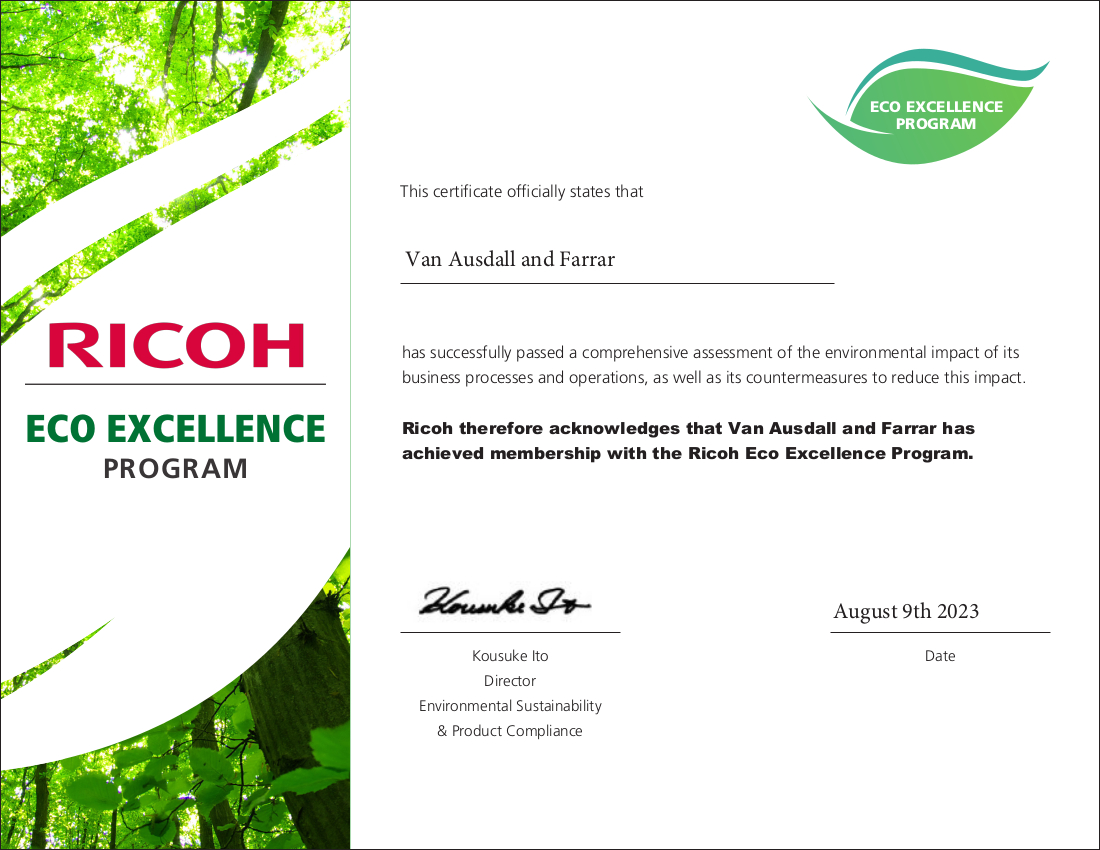
INDIANAPOLIS, IN ‐ On August 9th, 2023, Van Ausdall and Farrar was awarded membership to the Ricoh Eco Excellence Program. Talk to our specialists for guidance.
Read Full Story »
Posted in: News & Press
August 2nd, 2023
The importance of implementing robust security measures to safeguard critical information and IT infrastructure cannot be overstated. Contact us to learn more.
Read Full Story »
Posted in: Cybersecurity, AI Consulting
July 18th, 2023
From small startups to large enterprises, maintaining a robust and secure IT infrastructure has become paramount for success. Contact our team to learn more.
Read Full Story »
Posted in: Managed IT Services, Cybersecurity
July 12th, 2023
Thus, this honor places Van Ausdall & Farrar in the top 7% of all Mitel dealers in the country. Talk to our team to learn more about the right solution for you.
Read Full Story »
Posted in: Cybersecurity, Business Phone Systems
July 11th, 2023
Leading Managed Technology Services Provider Stands Out Amongst the Competition by Focusing on Helping... Contact us today to learn more about your options.
Read Full Story »
Posted in: Business Phone Systems, Cloud Solutions
July 3rd, 2023
Effective communication lies at the heart of every successful business in today's fast-paced and interconnected world. Talk to our specialists for guidance.
Read Full Story »
Posted in: Business Phone Systems, Managed IT Services
June 15th, 2023
Managed Print Services (MPS) are an increasingly popular way for businesses to reduce costs and improve the efficiency of their print operations. Learn more.
Read Full Story »
Posted in: Managed Print Services, Managed IT Services
June 2nd, 2023
Van Ausdall & Farrar, Inc. has ranked #28 in contract value and net new monthly revenue, placing us in the top 30! Talk to our team to learn more about pricing.
Read Full Story »
Posted in: Business Phone Systems, Cloud Solutions
May 23rd, 2023
Business process automation (BPA) is the use of technology to streamline business processes and make them more efficient. Talk to our specialists for guidance.
Read Full Story »
Posted in: Business Process Solutions, Managed Print Services
May 10th, 2023
Additionally, video surveillance systems can help deter criminal activity by making it clear that someone is watching the premises around the clock. Learn more.
Read Full Story »
Posted in: Physical Security, Cybersecurity
April 28th, 2023
Cloud VoIP systems are in demand these days because of the many benefits that they have to offer businesses. Talk to our team about the right solution for you.
Read Full Story »
Posted in: Cloud Solutions, Business Phone Systems
April 11th, 2023
With cyber threats and data breaches becoming increasingly common, businesses of all sizes must ensure that their data is secure. Reach out to our team today.
Read Full Story »
Posted in: Cybersecurity, Cloud Solutions
November 22nd, 2022
By Karthik Arumugam, SVP, Migrations Office, Mitel, and Shiraz Hasan, Head of GTM Strategy & Strategic Alliances, RingCentral. Talk to our team to learn more.
Read Full Story »
Posted in: Managed IT Services, Business Phone Systems
November 18th, 2022
The digital revolution is here, and businesses everywhere are spending time and resources to future-proof their companies. Talk to our specialists for guidance.
Read Full Story »
Posted in: Managed Print Services, Cloud Solutions
November 10th, 2022
The complexity and constant change that exists in the world of Information Technology is causing frustration for the leaders of small businesses everywhere.
Read Full Story »
Posted in: Cybersecurity, Business Phone Systems
November 10th, 2022
Do you have a hard time managing your business data? Or are you a business owner who wants to automate your business for a seamless operation? Contact us today.
Read Full Story »
Posted in: Managed IT Services, Document Management
October 26th, 2022
Security awareness is essential for the safety of business assets, money, brand reputation, and employees. Contact us today to learn more about your options.
Read Full Story »
Posted in: Cybersecurity
September 30th, 2022
Those who have adopted data backup and recovery services have been reaping the rewards, while those companies who have not may be falling behind. Learn more.
Read Full Story »
Posted in: Cybersecurity, Cloud Solutions
September 9th, 2022
The internet changed nearly everything about the way people do business , including real estate. Contact us to learn more about how we can help your business.
Read Full Story »
Posted in: Business Phone Systems, Managed Print Services
August 9th, 2022
Educational institutions have been given one of the country's most important jobs - preparing today's youth for the world of tomorrow. Contact us to learn more.
Read Full Story »
Posted in: Managed Print Services, Cybersecurity
June 22nd, 2022
From typewriters to laptops, and from cash to credit, the world is evolving into a paperless place, and who can blame it? Talk to our specialists for guidance.
Read Full Story »
Posted in: Document Conversion, Business Process Solutions
May 20th, 2022
Ransomware is one of the most damaging cyber-attack types of all time. It's the one feared the most by business owners and cybersecurity defenders. Learn more.
Read Full Story »
Posted in: Cybersecurity, Managed IT Services
April 26th, 2022
If you are a business owner in the market for a new telephone system , we are sure you have questions. Questions like: Am I providing great customer service?
Read Full Story »
Posted in: Business Phone Systems, AI Consulting
April 19th, 2022
That's the answer to the following question... What was the average total cost of a single data breach in 2020? Talk to our team to learn more about pricing.
Read Full Story »
Posted in: Cybersecurity, Cloud Solutions
April 19th, 2022
Protecting your business's assets, sensitive information and employees should be at the top of any company's list. Talk to our team to learn more about pricing.
Read Full Story »
Posted in: Physical Security, Cybersecurity
March 4th, 2022
In the digital era, finding any important file or piece of information is as easy as using a search tool. Talk to our team about the right solution for you.
Read Full Story »
Posted in: Managed IT Services, Document Conversion
March 4th, 2022
At Van Ausdall & Farrar, we have been providing the highest quality security solutions to Indianapolis-based companies since we opened our doors. Learn more.
Read Full Story »
Posted in: Cybersecurity, Managed IT Services
March 4th, 2022
Contact centers serve the touch point of connection between a company and its customers. Reach out to our specialists today to learn more about your options.
Read Full Story »
Posted in: Business Phone Systems, Cybersecurity
March 4th, 2022
As technology becomes more and more integrated with our daily lives the need to keep our personal information protected. Talk to our specialists for guidance.
Read Full Story »
Posted in: Cybersecurity, Managed IT Services
March 1st, 2022
Studies show that mismanaged print fleets can cost a company 3% of its yearly revenue. Reach out to our specialists today to learn more about your options.
Read Full Story »
Posted in: Managed Print Services, Managed IT Services
March 1st, 2022
Keep reading to learn more about how implementing facility management solutions can improve the efficiency of your business while saving money. Learn more.
Read Full Story »
Posted in: Business Process Solutions, Managed Print Services
December 9th, 2021
It's a basic fact of life: change happens. Just as we all go through changes as people, businesses and organizations evolve. Reach out to our team for guidance.
Read Full Story »
Posted in: Cloud Solutions, Managed IT Services
December 9th, 2021
Cloud-based software allows companies to store information on the internet, compared to storing critical information and data on local servers and. Learn more.
Read Full Story »
Posted in: Managed IT Services, Cybersecurity
December 1st, 2021
An effective enterprise content management system can cut costs and dramatically improve the way your employees manage and view documents. See how we can help.
Read Full Story »
Posted in: Cybersecurity, Document Management
December 1st, 2021
Your company's network is vast, complicated, and consists of numerous parts. Reach out to our team to learn more about the right solution for your business.
Read Full Story »
Posted in: Managed IT Services, Cybersecurity
November 3rd, 2021
Data breaches, especially for small- to midsize companies, continue to be a major threat, as cybercriminals have become more sophisticated in their methods.
Read Full Story »
Posted in: Cybersecurity, Managed IT Services
November 3rd, 2021
Is your business looking to trim some extra expenses in the upcoming fiscal year? Talk to our specialists today to find the right solution for your business.
Read Full Story »
Posted in: Managed Print Services
October 25th, 2021
Since the dawn of the information age, delivering a high-quality customer experience has been vital to the success of an organization. Contact us to learn more.
Read Full Story »
Posted in: Business Phone Systems, Cybersecurity
September 2nd, 2021
The benefits of an enterprise content management (ECM) solution include improved control of corporate... Contact us today to learn more about your options.
Read Full Story »
Posted in: Business Process Solutions, Document Management
September 2nd, 2021
Efficient and effective communication is the backbone of any successful business. Talk to our specialists today to find the right solution for your business.
Read Full Story »
Posted in: Business Phone Systems, Cloud Solutions
August 26th, 2020
Trent and Guillermo do an outstanding job outlining the case for the elements that are critical to Great IT. Talk to our team about the right solution for you.
Read Full Story »
Posted in: Cybersecurity, Cloud Solutions
August 4th, 2020
Before we can offer a solution on how to securely open your business, we need to decide what your thoughts have been leading up to this point. Talk to our team.
Read Full Story »
Posted in: Cybersecurity, Business Process Solutions
July 24th, 2020
Chad Scott and Andrew Short return for another compelling web presentation. Reach out to our team to learn more about the right solution for your business.
Read Full Story »
Posted in: Cybersecurity, Cloud Solutions
April 29th, 2020
Indiana Governor Eric Holcomb announced that he will decide some time this week whether to extend Indiana's stay at home order, and for how long. Learn more.
Read Full Story »
Posted in: Cybersecurity, Business Phone Systems
April 9th, 2020
Over my 30 year career I have worked in a small office, large corporate office, a branch office, and a home office. Reach out to our specialists to get started.
Read Full Story »
Posted in: Cybersecurity, Cloud Solutions
March 24th, 2020
So, we added a little piece of tape, or in some cases a sliding lens cover to our laptop in order to prevent the camera from displaying our picture. Learn more.
Read Full Story »
Posted in: Cybersecurity, Business Phone Systems
March 18th, 2020
Many people are unaware that their Office 365 subscription gives them access to a great tool for audio and video conferencing. Contact our team to learn more.
Read Full Story »
Posted in: Cybersecurity, Business Phone Systems
March 18th, 2020
If you're like me, you've likely used your phone once or twice to email or text a jpeg photograph of a document page. Talk to our specialists for guidance.
Read Full Story »
Posted in: Cybersecurity, Business Phone Systems
March 11th, 2020
Many organizations are starting to develop strategies that maintain business continuity while taking precautions to limit the spread of COVID-19. Learn more.
Read Full Story »
Posted in: Cybersecurity, Business Phone Systems
December 18th, 2019
A common aspect among all of these corporations is they provide transformative services for free or for a very affordable subscription-based fee. Learn more.
Read Full Story »
Posted in: Managed Print Services, Cybersecurity
November 27th, 2019
Owning and managing physical and digital assets - like real estate, vehicles, hardware, software, and content - is no longer always the best option. Learn more.
Read Full Story »
Posted in: Managed Print Services, Cybersecurity
November 21st, 2019
Van Ausdall & Farrar was honored to attend Mitel's Top 40 Summit, held last week in Mesa, Arizona. Reach out to our team today to learn more about your options.
Read Full Story »
Posted in: Business Phone Systems, AI Consulting
October 22nd, 2019
When you add in the factor of portability - like when a mobile device is checked out of the office - your challenge grows exponentially. See how we can help.
Read Full Story »
Posted in: Cybersecurity, Managed IT Services
October 15th, 2019
You'll also improve vendor relationships and have the ability to capture early payment discounts. Contact us to learn more about how we can help your business.
Read Full Story »
Posted in: AI Consulting, Business Process Solutions
October 1st, 2019
If you know your printers are not performing as they should, then you probably also know you need to do something about it. Reach out to our team for guidance.
Read Full Story »
Posted in: Managed Print Services, Cybersecurity
September 23rd, 2019
Once upon a time not too long ago, fishing and spoofing were enjoyable activities. Talk to our specialists today to find the right solution for your business.
Read Full Story »
Posted in: Cybersecurity, Cloud Solutions
September 17th, 2019
It's the lifeblood of virtually every organization. We all have different communication patterns. Reach out to our team today to learn more about your options.
Read Full Story »
Posted in: Business Phone Systems, Cybersecurity
August 29th, 2019
One big problem with being an IT professional is the need to learn and use new skills on an almost daily basis. Talk to our team to learn more about pricing.
Read Full Story »
Posted in: Managed IT Services
August 27th, 2019
It's too late to turn back the tide. Working remotely is a trend that has grown past the point of being a short-term fad with unknown long-term consequences.
Read Full Story »
Posted in: Cybersecurity, Cloud Solutions
August 19th, 2019
"If it ain't broke don't fix it." Have you ever found yourself as the CIO or IT Director saying this about your IT Infrastructure? Reach out to our team today.
Read Full Story »
Posted in: Cybersecurity, Cloud Solutions
May 31st, 2019
We frequently talk with clients about the benefits of better managing data with the latest technology. Talk to our specialists about the right solution for you.
Read Full Story »
Posted in: Cybersecurity, Managed IT Services
May 21st, 2019
Despite the best efforts of IT Directors, 68% of companies fell victim to a cyber attack in the last year according to a report from Sophos 1. Contact us today.
Read Full Story »
Posted in: Cybersecurity, Cloud Solutions
May 1st, 2019
While the workplace will never go completely paperless, it is definitely becoming paper-less. Talk to our team to learn more about the right solution for you.
Read Full Story »
Posted in: Cybersecurity, Managed Print Services
March 26th, 2019
There was a time when those who refused to utilize technology could still thrive in business. Talk to our team to learn more about the right solution for you.
Read Full Story »
Posted in: Cybersecurity, Business Phone Systems
March 19th, 2019
VAF explains how you can create a video conference within outlook so you can create your meeting and your bridge at the same time. Reach out to our team today.
Read Full Story »
Posted in: Business Phone Systems
March 19th, 2019
Van Ausdall & Fararr shares a video guide on how to use Mitel Connect Client. The video shows you how to navigate through this new system. See how we can help.
Read Full Story »
Posted in: Business Phone Systems
March 19th, 2019
In this client quick clip, the team at VAF shows you how to use your Mitel Connect Client to integrate your voicemail. Talk to our specialists for guidance.
Read Full Story »
Posted in: Business Phone Systems
March 19th, 2019
VAF's quick clips video series is a collection of videos for VAF customers to learn how to use Mitel Connect Client.. Talk to our specialists for guidance.
Read Full Story »
Posted in: Business Phone Systems
February 25th, 2019
Equipping an office with printers that are connected to the Internet offers a wealth of benefits, but in... Contact us today to learn more about your options.
Read Full Story »
Posted in: Managed Print Services, Managed IT Services
August 16th, 2018
It was 26 years ago that I began my career at Van Ausdall & Farrar, fulfilling an entry level sales role in our Business Telephone Systems Division. Learn more.
Read Full Story »
Posted in: Business Phone Systems, Cybersecurity
April 18th, 2018
VA&F have a video that explains how to add participants to a conference call using the Mitel Connect Client. Contact us today to learn more about your options.
Read Full Story »
Posted in: Business Phone Systems
April 18th, 2018
VAF explains how to answer a call with the Mitel Connect Client. Talk to VAF for business phone solutions. Contact us today to learn more about your options.
Read Full Story »
Posted in: Business Phone Systems
April 18th, 2018
This quick clip from VAF shows how to use your Mitel Connect Client directory and populate your people list. Contact us today to learn more about your options.
Read Full Story »
Posted in: Business Phone Systems
April 18th, 2018
VAF introduces the basic functions of the Mitel Connect Client. Talk to VAF for business phone solutions today. Talk to our team to learn more about pricing.
Read Full Story »
Posted in: Business Phone Systems
April 18th, 2018
VAF's quick clips shows you how to use your recents tab in your Mitel Connect Client. This tool can show you if you've missed calls. Contact us to learn more.
Read Full Story »
Posted in: Business Phone Systems
April 18th, 2018
VAF's quick clips show you how to use the Mitel Connect Client custom greeting for when you go on vacation or for the states of your phone. See how we can help.
Read Full Story »
Posted in: Business Phone Systems
April 18th, 2018
In this Mitel Connect Client quick clip training from VAF, we show you how to set, reset, or change your new client password. Talk to our team to learn more.
Read Full Story »
Posted in: Business Phone Systems
April 18th, 2018
In this Mitel Connect Client quick clip - VAF shows you how to set a new voicemail password for your phone. Contact us today to learn more about your options.
Read Full Story »
Posted in: Business Phone Systems
April 18th, 2018
In this Mitel Connect Client quick clip video from VAF, our team shows you how to transfer a call with the Mitel Connect Client. Talk to our team to learn more.
Read Full Story »
Posted in: Business Phone Systems
April 18th, 2018
VA&F explains how you can check your voicemails using the Mitel Connect Clients. Talk to VA&F today about office phone solutions. Reach out to our team today.
Read Full Story »
Posted in: Business Phone Systems
April 18th, 2018
Extreme Networks is a publicly traded company (NASDAQ: EXTR) headquartered in San Jose, California and founded in 1996. Talk to our specialists for guidance.
Read Full Story »
Posted in: Business Phone Systems, Cybersecurity
February 15th, 2018
The overall theme ties back to a book I read a few years ago... How do you eat an elephant? Reach out to our specialists today to learn more about your options.
Read Full Story »
Posted in: Cybersecurity, Cloud Solutions
January 25th, 2018
Unsecured printers are a huge security risk. Each hacked device printed a message informing the end users of the security breach. Reach out to our team today.
Read Full Story »
Posted in: Managed Print Services, Cybersecurity
January 25th, 2018
Van Ausdall & Farrar brings cloud-based unified communication solution to market. Talk to our specialists today to find the right solution for your business.
Read Full Story »
Posted in: Cybersecurity, Cloud Solutions
January 15th, 2018
These hardware vulnerabilities allow programs to steal data which is currently processed on the computer. Talk to our team about the right solution for you.
Read Full Story »
Posted in: Cybersecurity
December 26th, 2017
Software defined networks, or SD-WAN, is the latest network infrastructure buzz-word. This is the latest in a long line of marketing terms, such as "Cloud".
Read Full Story »
Posted in: Cloud Solutions, Managed IT Services
October 10th, 2017
Van Ausdall & Farrar has been a valued Toshiba phone system partner for over 25 years. Reach out to our specialists today to learn more about your options.
Read Full Story »
Posted in: Business Phone Systems, Business Process Solutions
October 6th, 2017
We are proud to announce that Van Ausdall & Farrar has been awarded an important new certification from Ricoh! Reach out to our team to find the right solution.
Read Full Story »
Posted in: Managed IT Services
August 3rd, 2017
To continue safe operation of some Ricoh Multifunction Printers, Laser Printers, Production Printers and... Contact us today to learn more about your options.
Read Full Story »
Posted in: Cybersecurity
May 3rd, 2017
Indianapolis, IN, May 1, 2017 - Van Ausdall & Farrar announced today it has advanced to the Gold level in the ShoreTel ® Champion Partner Program. Learn more.
Read Full Story »
Posted in: Business Phone Systems, Managed Print Services
May 3rd, 2017
In 2016, Ransomware attacks made alarming headlines, affecting every kind of business from hospitals to police stations. Talk to our specialists for guidance.
Read Full Story »
Posted in: Cybersecurity, Cloud Solutions
April 26th, 2017
A company's phone system is often an integral tool in the pursuit of business. Reach out to our team to learn more about the right solution for your business.
Read Full Story »
Posted in: Business Phone Systems, Cloud Solutions
April 20th, 2017
As if that doesn't pose enough stress, the stakes are high enough for success that failure isn't an option. Talk to our team about the right solution for you.
Read Full Story »
Posted in: Business Phone Systems
April 10th, 2017
Case management includes everything from the IT help desk to incident tracking to contract management to customer service and more. Reach out to our team today.
Read Full Story »
Posted in: Managed IT Services
April 10th, 2017
Effective May 22, we can no longer place new equipment orders with Toshiba. Reach out to our team to learn more about the right solution for your business.
Read Full Story »
Posted in: Business Phone Systems, Cloud Solutions
March 22nd, 2017
If you're managing a modern office, it's so easy to be seduced by new technology. Talk to our specialists today to find the right solution for your business.
Read Full Story »
Posted in: Managed IT Services, Business Process Solutions
March 14th, 2017
In this case, the paper represents something extremely valuable: information necessary to run the business. Talk to our team about the right solution for you.
Read Full Story »
Posted in: Managed IT Services
February 23rd, 2017
A company cannot make good decisions without good information and actionable data. Talk to our specialists today to find the right solution for your business.
Read Full Story »
Posted in: Business Phone Systems, Managed IT Services
February 15th, 2017
Accreditation reinforces our partnership with Hyland and our shared commitment to offer our customers a... Contact us today to learn more about your options.
Read Full Story »
Posted in: Cybersecurity, Business Process Solutions
February 8th, 2017
Before you jump headstrong into a disaster recovery (DR) solution, consider what it needs to do for you, your company and your clients. See how we can help.
Read Full Story »
Posted in: Cybersecurity, Managed IT Services
January 31st, 2017
As IP telephony evolves, companies are focusing on the next-generation benefits of unified communications. Talk to our team about the right solution for you.
Read Full Story »
Posted in: Business Process Solutions, Business Phone Systems
January 24th, 2017
Acronis sets the standard for data protection through its backup, cloud storage, disaster recovery and secure file sync and share solutions. Get started today.
Read Full Story »
Posted in: Cybersecurity, Cloud Solutions
January 17th, 2017
Mortgage bankers today are faced with processing a tremendous volume of paperwork for each mortgage loan they need to consider. Contact our team to learn more.
Read Full Story »
Posted in: Document Conversion, Managed IT Services
January 10th, 2017
Why are healthcare professionals adopting speech recognition technologies at a much faster growth rate than in the past? Talk to our specialists for guidance.
Read Full Story »
Posted in: Managed IT Services
January 3rd, 2017
The concept of utilizing capture technology for analytics and data discovery is relatively new. Talk to our team to learn more about the right solution for you.
Read Full Story »
Posted in: AI Consulting, Business Phone Systems
December 26th, 2016
They're using high-speed internet access for legal work with a laptop (46%), smartphone (27%), tablet (13%) and desktop computer (13%). See how we can help.
Read Full Story »
Posted in: Managed IT Services
December 19th, 2016
Imagine having secure access to complete patient records anywhere, anytime. Reach out to our team to learn more about the right solution for your business.
Read Full Story »
Posted in: Managed IT Services
December 12th, 2016
With the introduction of highly-sophisticated smartphones and tablets to the consumer market, a new generation of mobile users has emerged ... Talk to our team.
Read Full Story »
Posted in: Cybersecurity, Business Phone Systems
December 6th, 2016
Case management software helps build client relationships and improve patient care. Talk to our specialists today to find the right solution for your business.
Read Full Story »
Posted in: Cloud Solutions, Managed IT Services
December 3rd, 2016
Contact centers serve the touch point of connection between a company and its customers. Reach out to our specialists today to learn more about your options.
Read Full Story »
Posted in: Business Phone Systems, Managed IT Services
October 10th, 2016
In the past we have engineered strong threat management on external ingress to your internal network. Talk to our specialists about the right solution for you.
Read Full Story »
Posted in: Cybersecurity, Business Phone Systems
September 13th, 2016
Growing up, it seemed like we were always taking long family drives to a relative's house or to see some part of the country that needed to be appreciated.
Read Full Story »
Posted in: Managed IT Services
September 2nd, 2016
"The phones are down again!!" This is the refrain heard in office environments across the country when the inevitable happens. Contact our team to learn more.
Read Full Story »
Posted in: Business Phone Systems, Managed IT Services
August 26th, 2016
We send survey requests via email to our customers approximately 24 hours after completion of a service call. Talk to our team about the right solution for you.
Read Full Story »
Posted in: Managed IT Services
August 19th, 2016
Document workflows are constantly changing. More and more businesses are finding ways to cut printing costs by moving to digital solutions. See how we can help.
Read Full Story »
Posted in: Managed Print Services
August 12th, 2016
Within our own daily endeavors we think of companies and competitions for customers, clients, and new business initiatives. Reach out to our team for guidance.
Read Full Story »
Posted in: Managed IT Services
August 5th, 2016
You've taken the leap to modernize your infrastructure. You are leveraging virtualization in order to create a redundant environment that is hardware agnostic.
Read Full Story »
Posted in: Cybersecurity, Cloud Solutions
July 29th, 2016
Webster's definition of Culture: a way of thinking, behaving, or working that exists in a place or organization (such as a business). Well, we all better care!
Read Full Story »
Posted in: Managed IT Services
July 22nd, 2016
Data Security, simply put is protecting data from destructive forces and from unwanted actions from unauthorized users. Talk to our specialists for guidance.
Read Full Story »
Posted in: Cybersecurity, Managed Print Services
July 20th, 2016
Business phone systems traditionally haven't been considered much beyond their ability to connect callers. Talk to our team about the right solution for you.
Read Full Story »
Posted in: Business Phone Systems, Cloud Solutions
July 18th, 2016
ShoreTel brings a fundamentally different approach to phone system technology. Reach out to our team to learn more about the right solution for your business.
Read Full Story »
Posted in: Business Phone Systems, Cloud Solutions
July 15th, 2016
When we are able to meet with the client and peel back the onion, we find that our clients are receiving sub-standard service and consultation. Learn more.
Read Full Story »
Posted in: Managed IT Services
July 11th, 2016
Your staff is taking live calls, checking voicemail and returning customer inquiries as fast as they can. Talk to our team about the right solution for you.
Read Full Story »
Posted in: Cybersecurity, Business Phone Systems
July 8th, 2016
Keeping track of company assets can be an overwhelming task, especially with all the IT components involved. Contact us today to learn more about your options.
Read Full Story »
Posted in: Cybersecurity, Managed IT Services
July 6th, 2016
Smart businesses everywhere have embraced the cloud as a cost-effective alternative to CapEx spending with on-premises hardware and software. Get started today.
Read Full Story »
Posted in: Cybersecurity, Business Phone Systems
June 29th, 2016
But what companies gain in expanded reach and productivity increases they can sometimes lose in personal relationships with their employees. Get started today.
Read Full Story »
Posted in: Business Phone Systems, Cloud Solutions
June 29th, 2016
She speaks on these topics at corporate, legal, governmental and university events in the US and Canada. Talk to our team about the right solution for you.
Read Full Story »
Posted in: Document Management, Cloud Solutions
June 23rd, 2016
With all of the various software solutions surrounding the management of information, it is understandable that most of us struggle keeping it all straight.
Read Full Story »
Posted in: Document Management, Cybersecurity
June 22nd, 2016
Today's business environment is much different from 20 or even 10 years ago. Reach out to our team to learn more about the right solution for your business.
Read Full Story »
Posted in: Business Phone Systems, Cloud Solutions
June 22nd, 2016
Register to attend the 2016 Innovative Solutions Expo on September 15th, 2016. Reach out to our team to learn more about the right solution for your business.
Read Full Story »
Posted in: Managed IT Services
June 20th, 2016
But the tools you use to interact with your customers are just as important as how you treat your customers. Contact us today to learn more about your options.
Read Full Story »
Posted in: Business Phone Systems, Cloud Solutions
June 17th, 2016
For many years now, Multi-Function Printers (MFP's) have been an integral part of doing business. Contact us to learn more about how we can help your business.
Read Full Story »
Posted in: Managed Print Services, Managed IT Services
June 17th, 2016
Van Ausdall & Farrar held an event on June 10th and 11th for it's Print Service Technicians. Contact our team to learn more about how we can help your business.
Read Full Story »
Posted in: Managed Print Services
June 15th, 2016
Every business, regardless of size or focus, relies on its communications system. Talk to our specialists today to find the right solution for your business.
Read Full Story »
Posted in: Business Phone Systems, Cloud Solutions
June 13th, 2016
You've realized that your current phone system is no longer working for your growing business. Talk to our team to learn more about the right solution for you.
Read Full Story »
Posted in: Business Phone Systems, Cloud Solutions
June 7th, 2016
We all know disaster can strike anytime - a broken water pipe, fire, weather event... all can do damage and wreak havoc on your business. See how we can help.
Read Full Story »
Posted in: Cybersecurity, Cloud Solutions
June 6th, 2016
What you don't realize is what convergence of technology is happening right before your eyes across Indiana. Talk to our team about the right solution for you.
Read Full Story »
Posted in: Managed IT Services
June 1st, 2016
A customer can give feedback about your business then let others know about their own experience within a few easy clicks. Talk to our specialists for guidance.
Read Full Story »
Posted in: Business Phone Systems, Cloud Solutions
May 25th, 2016
If that's your business model, is your phone system serving you like you serve your customers? Talk to our team to learn more about the right solution for you.
Read Full Story »
Posted in: Business Phone Systems
May 23rd, 2016
Most employees today eschew the traditional 9-to-5 workday in favor of work-life balance and the ability to work when they want (and often where they want).
Read Full Story »
Posted in: Business Phone Systems, Cloud Solutions
May 16th, 2016
Your employees want to be productive no matter where they are. Cloud communications can help them be more productive, at a price that won't break your budget.
Read Full Story »
Posted in: Business Process Solutions, Business Phone Systems
May 13th, 2016
At the same time, IT budgets are decreasing, widening the gap between what employees want-and need to be more productive-and what IT can offer. Learn more.
Read Full Story »
Posted in: Business Phone Systems, Cloud Solutions
May 11th, 2016
The cloud has had a dramatic impact on the way we do business, impacting everything from infrastructure to user access. Talk to our specialists for guidance.
Read Full Story »
Posted in: Business Phone Systems, Cloud Solutions
April 24th, 2016
With apologies to U2 for borrowing their lyric. We're all aware of the statistics. Talk to our specialists today to find the right solution for your business.
Read Full Story »
Posted in: Managed Print Services, Managed IT Services
April 13th, 2016
Customers learn about Internet threat protection and get to see the newly released movie Batman v Superman: Dawn of Justice. Reach out to our team for guidance.
Read Full Story »
Posted in: Managed IT Services
April 13th, 2016
The result is a highly available, resilient, on-demand infrastructure that is the ideal foundation for any cloud environment. Talk to our team to learn more.
Read Full Story »
Posted in: Cloud Solutions, Managed IT Services
April 11th, 2016
Email has become a de facto method of communication for businesses and individuals alike. Trusting all email, however, can be a big mistake. Get started today.
Read Full Story »
Posted in: Cybersecurity
March 17th, 2016
If you make money using the phone, then your phone system needs to be a business enabler, not inhibitor. Contact us today to learn more about your options.
Read Full Story »
Posted in: Business Phone Systems
March 7th, 2016
If you live in the Indianapolis metropolitan area, you need to prepare for changes in how you make local telephone calls. Talk to our specialists for guidance.
Read Full Story »
Posted in: Managed IT Services
July 1st, 2015
Van Ausdall & Farrar introduces a new online feature for our customers this July. Talk to our specialists today to find the right solution for your business.
Read Full Story »
Posted in: Managed Print Services
June 7th, 2015
Development is current being tested and the app will be available in the third-quarter of 2015. Talk to our team to learn more about the right solution for you.
Read Full Story »
Posted in: Managed Print Services